

Benefial-Ownership-770x514

Beneficial Ownership Information Reporting Requirement

Unmasking Hidden Owners: Understanding New U.S. Reporting Requirements

If you’re involved in running a U.S.-based company, get ready for a change in your reporting duties. Starting January 1, 2024, new rules are in place surrounding “Beneficial Ownership Information” (BOI). This means disclosing the real people who control your company. Let’s break it down.

Why Does This Matter?

  • Stopping Shady Business: Criminals often hide behind shell companies to launder money, fund terrorism, etc. BOI reporting makes this harder.
  • Transparency = Trust: Investors, partners, and the public want to know who they’re dealing with.
  • Protecting Our Systems: This law helps safeguard the U.S. financial system and national security.
  • Global Effort: The U.S. is joining other countries in promoting financial transparency.

Who Needs to Report?

  • Domestic Companies: If your company is formed under U.S. state law (corporations, LLCs, etc.).
  • Foreign Companies Doing Business in the U.S.: If you’re formed abroad but registered here.

Who is a “Beneficial Owner”?

  • Control: Anyone with major decision-making power in your company.
  • Ownership: Anyone owning at least 25% of the company’s shares.

What Do You Report?

For each beneficial owner, you’ll submit to FinCEN (part of the Treasury Department):

  • Full legal name
  • Date of birth
  • Address (residential or business)
  • Unique ID number (from passport, driver’s license, etc.)

Exemptions: Who Doesn’t Need to Report

Good news: Some companies are exempt! This is usually either because they’re already highly regulated OR present low risk for abuse. This includes:

  • Publicly traded companies (with some rules)
  • Banks, credit unions
  • Many non-profits
  • Large businesses with a significant U.S. presence

Reporting Deadlines

  • Existing Companies (before 1/1/24): File by January 1, 2025
  • New Companies (after 1/1/24): File within 30 days of forming the business
  • Changes? Report updates within 30 days, corrections within 90 days

How to Stay Informed

  • FinCEN’s Website: They have tons of info, guidance, and FAQs [link to FinCEN BOI page]
  • Lawyers/Compliance Experts: Get help if the rules seem confusing
  • News and Industry Updates: Watch for regulatory announcements

The Perks of Playing by the Rules

  • Avoid Fines: Non-compliance = big penalties.
  • Reputation Boost: Shows your company is above-board and ethical.
  • Fairer Competition: Prevents those who cheat from gaining an unfair edge
  • Do Your Part: Help protect our financial system!

Need Help?

Figuring out BOI reporting can be tricky, especially for businesses with complex ownership structures. If in doubt, don’t hesitate to consult legal or financial professionals who specialize in this area.

Key Takeaway

This is a big shift, but a positive one! Think of BOI reporting as a tool to promote a stronger, more ethical business environment in the U.S.

Please let me know if you’d like any other adjustments or have specific formatting requests for your blog!

what-is-an-itin-1619666400

What is an ITIN, and How Can You Get One?

Your Guide to the Individual Taxpayer Identification Number (ITIN)

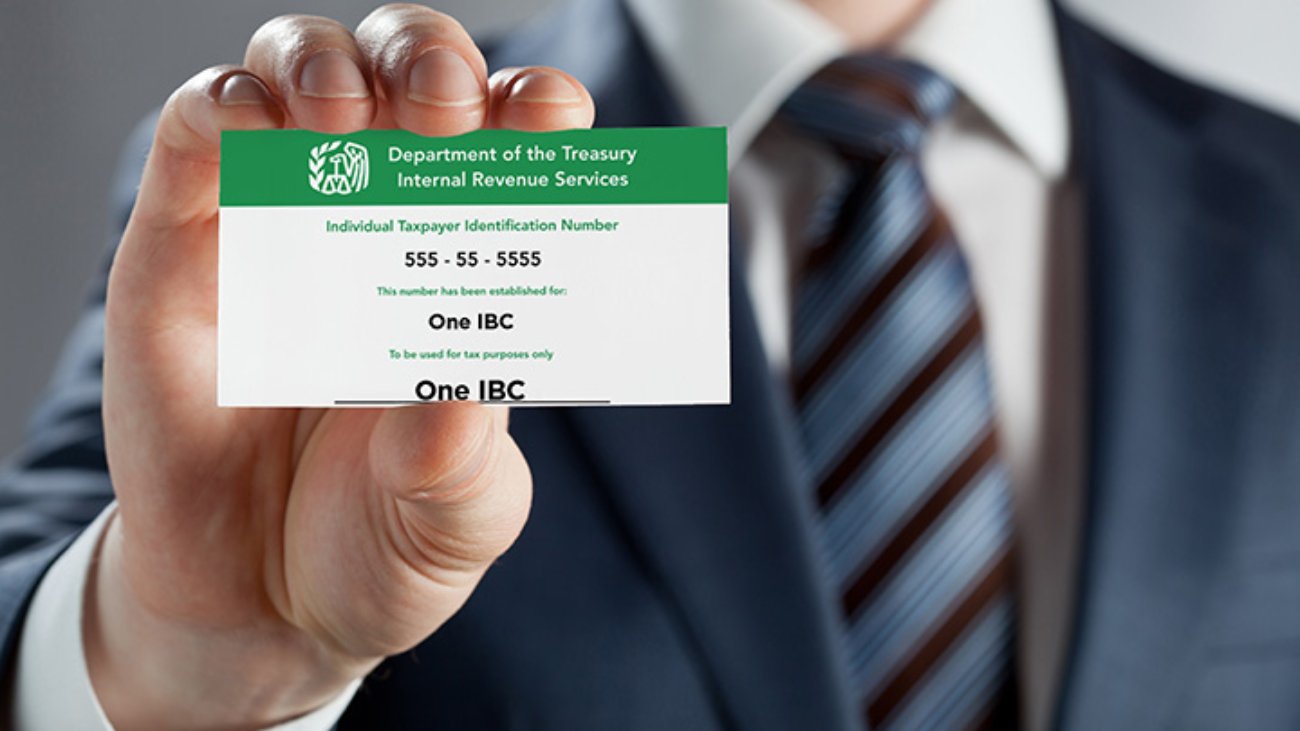
If you don’t have a Social Security Number (SSN), but still need to interact with the U.S. tax system, the Individual Taxpayer Identification Number (ITIN) is your key to participation. Let’s dive into what it is, who needs one, and how to get yours.

Understanding the ITIN

  • Purpose: The ITIN is a tax processing number – not an authorization for work or a path to obtaining an SSN. Its sole purpose is to ensure tax compliance.
  • Eligibility: If you don’t qualify for an SSN but have U.S. income requiring tax filing, you likely need an ITIN. Think non-resident aliens, dependents of U.S. citizens, and others without SSN eligibility.
  • Difference from an SSN: SSNs are for U.S. citizens and eligible residents, and serve as lifelong identifiers. ITINs are specifically for tax purposes and need to be renewed if not used regularly.

Why Get an ITIN?

  • Get Paid Properly: U.S. employers often need an ITIN to ensure correct tax withholding from non-resident workers.
  • Claim Benefits: File tax returns and claim any refunds or credits you’re owed (like the Child Tax Credit).
  • Financial Access: Open bank accounts, potentially get loans, and start building U.S. credit history.
  • Estate Planning: If you’re a non-U.S. person inheriting US assets or establishing trusts.
  • Family Filing: File jointly with a U.S. spouse and claim foreign-born dependents.

How to Apply for an ITIN

  1. Form W-7: This is your ITIN application. You MUST submit it with your first federal income tax return where you need the ITIN.
  2. Proof: Documents proving your identity and foreign status are needed (passports, birth certificates, etc.).
  3. Submission Options:
    • Mail: Send your paperwork directly to the IRS.
    • In-Person: Use a Certifying Acceptance Agent (CAA) or visit a designated IRS Taxpayer Assistance Center.

ITIN FAQs

  • Cost? ITINs are free.
  • Processing Time? Around seven weeks, so apply well before tax deadlines!
  • Do ITINs Expire? Yes, if you don’t use your ITIN on a tax return for three consecutive years.
  • Can undocumented immigrants apply? Yes, the IRS issues ITINs regardless of immigration status.
  • Can I apply online? Unfortunately, no. You must submit paper forms.

Common Application Mistakes

  • Incomplete Forms: Double-check Form W-7 for accuracy!
  • Missing Documents: Delays or rejections happen if your ‘proof’ is insufficient.
  • No Foreign Address: This is required, even if you also have a U.S. address.
  • Late Filing: Both the tax return and ITIN application have deadlines. Avoid penalties.

Need More Help?

If you feel overwhelmed by the ITIN process or have specific tax situations, it’s always recommended to consult a tax professional for guidance.

Important Note: The ITIN is a powerful tool for financial and tax participation in the U.S. when you don’t qualify for an SSN. Knowing how it works makes the process smoother!

Let me know if you’d like any additional adjustments or have special formatting requests for your blog!

taxes-646511_960_720

Complete Guide to Business Tax Extensions and Requirements

Absolutely! Here’s a revised version of the guide, restructured as a blog post with some adjustments to make it more engaging and web-friendly:

Got Extra Tax Prep Time? Everything You Need to Know About Business Tax Extensions

Nobody likes scrambling at the last minute to handle business taxes. Sometimes things don’t go as expected – documents are delayed, receipts go missing, or life gets in the way. That’s where a business tax extension can save the day.

What is a Business Tax Extension?

Essentially, it’s like hitting the pause button on your filing deadline. A business tax extension grants you more time to gather all your paperwork and submit your business tax return to the IRS. Important: It doesn’t extend the deadline for paying any taxes you owe.

Why Bother with an Extension?

  • Avoid Penalties: Late filings equal penalties, and nobody wants that! An extension helps you steer clear.
  • Accuracy: Rushing leads to mistakes. An extension lets you breathe and double-check everything.
  • Less Stress: Tax season is stressful enough. An extension lets you take a step back and tackle things calmly.

The Forms You Need

  • Form 7004: This one’s for most businesses (partnerships, corporations, etc.).
  • Form 4868: Sole proprietors and single-member LLCs use this on their personal tax returns.
  • Form 1138: Special form if your business expects a net operating loss for the current year.

How to File for a Business Tax Extension

  1. Choose the Right Form: See above!
  2. Estimate Those Taxes: If you think you’ll owe, you need to estimate the amount and pay that by the original deadline.
  3. Submit on Time: You can e-file or mail your extension form to the IRS. The key is doing it before your tax return due date.

Deadlines – Know When to File!

  • Sole proprietors & single-member LLCs: April 15th (typically the same as personal tax returns).
  • Partnerships & multi-member LLCs: March 15th.
  • C Corporations & S Corporations: March 15th.